
A successful Tanzania safari comes down to four decisions made before departure: which circuit to visit (Northern or Southern), how long to stay (seven days minimum), which months to travel (avoid mid-March to mid-May), and which operator to book with. Get those four right and almost everything else — packing, tipping, vehicle choice, vaccinations — falls into place. Get them wrong and no amount of preparation closes the gap.
Tanzania is the most rewarding safari destination on the African continent for first-time travellers. It is also the easiest to plan badly. The country is roughly four times the size of the United Kingdom; it holds 22 national parks; the wildlife rhythm shifts month by month; and the spread between operators — in vehicle quality, guide expertise, and ethical standards — is wider than in almost any other safari country. The decisions made twelve months before the trip carry more weight than any decision made during it.
This guide is the framework our concierge team uses to plan Tanzania safaris for clients across the United States, the United Kingdom, Germany, France, and Australia. It pulls together the planning wisdom from our destination guides — the Serengeti, the Ngorongoro Crater, Tarangire, Zanzibar, and Mount Kilimanjaro — into a single practical reference. It is the conversation we have with every new client before any deposit is paid.
The Four Decisions That Matter Most
Almost every avoidable disappointment in Tanzania traces back to one of four decisions made wrong before the trip began. They are, in order of consequence:
- 1. Which circuit: Northern Circuit (the famous parks — Serengeti, Ngorongoro, Tarangire) or Southern Circuit (the remote and quieter Ruaha, Nyerere, Mahale). Different countries inside the same country.
- 2. How long to stay: seven days is the minimum for a meaningful safari. Five days is a transit; three days is a postcard.
- 3. When to travel: the wildlife rhythm shifts every month. The single window to avoid for almost every activity is mid-March through mid-May, when the long rains close access to many camps.
- 4. Which operator: the gap between a strong operator and a weak one is larger than the gap between mid-range and luxury accommodation. Operator quality is the single most leveraged decision in any Tanzania trip.
Get all four right and the trip almost cannot fail. Get one or more wrong and the recovery options on the ground are limited.
Choosing the Right Circuit
Tanzania is two safari countries. The Northern Circuit accounts for roughly 80 percent of all visitor activity; the Southern Circuit accounts for the other 20 percent and contains some of the finest, quietest, and least-known wilderness on the continent.
The Northern Circuit (Most Travellers)
The classic and the popular. Serengeti, Ngorongoro Crater, Tarangire, Lake Manyara, Arusha National Park. Easy international access via Kilimanjaro International Airport (JRO) or via Nairobi with a six-hour drive south. Parks are in close proximity — a typical seven-day Northern Circuit covers three or four parks without significant transfer time. The Great Migration, the iconic Big Five sightings, and the country's strongest visitor infrastructure are all here. The trade is vehicle density: at peak season the Mara River crossings and the Ngorongoro Crater floor are busy.

The Southern Circuit (The Connoisseur's Tanzania)
Less famous, more remote, and meaningfully wilder. Nyerere National Park (formerly the Selous), Ruaha, Mikumi, Mahale Mountains, Udzungwa. Access is mostly by light aircraft from Dar es Salaam or Arusha, which adds cost and time but produces a categorically different experience: walking safaris in conditions widely rated among the best in Africa, chimpanzee tracking on Lake Tanganyika, vehicle-density numbers that the Northern Circuit cannot match. The Southern Circuit is the right answer for second-time safari visitors and for travellers who actively prioritise solitude over scale. It is rarely the right answer for a first trip.
Our Recommendation
For first-time clients: the Northern Circuit, almost without exception, with a 1–2 night extension to Arusha or Lake Manyara if time allows. For repeat visitors or experienced safari travellers: the Southern Circuit, particularly Ruaha and Mahale. For travellers with the time and budget for both: 5 nights Northern Circuit + 4 nights Southern Circuit + 3 nights Zanzibar produces some of the strongest 12-night itineraries we plan.
How Long to Stay
The minimum recommendation we are willing to send clients on is seven days for the safari portion alone. The math is unsentimental:
- 3 days safari: a single park visit, typically Tarangire and a Ngorongoro day trip. Useful as an add-on to a Kilimanjaro climb. Not a full safari.
- 5 days safari: two parks, compressed schedule, significant transit time. Possible but limiting.
- 7 days safari: the Northern Circuit done properly — Tarangire, Ngorongoro, central Serengeti. The minimum we recommend.
- 10 days safari: the Northern Circuit with depth — multiple Serengeti regions, time for the migration to actually move, walking safaris layered in.
- 14+ days: proper combined trip with Zanzibar or a Southern Circuit chapter.
For full month-by-month planning, see our guide to the best time to visit Tanzania.
Money and Tipping
Tanzania operates effectively as a US dollar economy for tourism — virtually every quote, lodge bill, and tip is denominated in USD. Local Tanzanian shillings are useful only for small-vendor transactions in towns. A few practical notes:
- Bring USD in cash for tipping. Credit card use is reliable in mid-range and luxury lodges; cash is essential at gates, for tipping, and for any informal transaction.
- USD bills must be 2006 or newer. Older bills are routinely refused by Tanzanian banks and exchange houses for fraud-prevention reasons. Bring crisp, recent bills.
- Carry a mix of denominations. Tipping in twenties and tens is more practical than handing over hundreds.
- ATMs work in Arusha and Dar es Salaam but become rare past the gate of a national park. Withdraw what you need before the safari begins.
Tipping by Role
The single most-asked question we get from clients is how to tip — and the published guidance varies wildly. Our standard tip pool, calibrated to keep staff well-compensated and travellers feeling neither stingy nor extravagant:
- Lead driver-guide (private safari): USD $20–$30 per guest per day. Hand directly at the end of the trip in an envelope.
- Camp and lodge staff (collective tip box): USD $5–$10 per guest per day. Handled at checkout.
- Specialist guides — bush walks, balloon flights, walking safaris: $10–$20 per guest per activity, separate from the day-rate tip.
- Domestic flight pilots: $5–$10 per guest if a particularly attentive bush flight (rare).
- Spa, bar, and restaurant staff at lodges: small tip on top of the bill is standard. The lodge tip box covers most of this.
- Kilimanjaro full crew (8-day climb): $250–$400 per climber, distributed at the descent. The single largest tip in any Tanzania trip.
Tipping is not a discretionary thank-you — it is a meaningful portion of staff income, particularly for porters and camp staff. Our position: tip generously, tip directly, and never tip below the published baseline.
What to Pack — and What to Leave Home
Pack lighter than you think. Most reputable safari camps offer same-day complimentary laundry; most domestic flights inside Tanzania enforce a 15kg soft-bag luggage limit.
The Clothing Rules
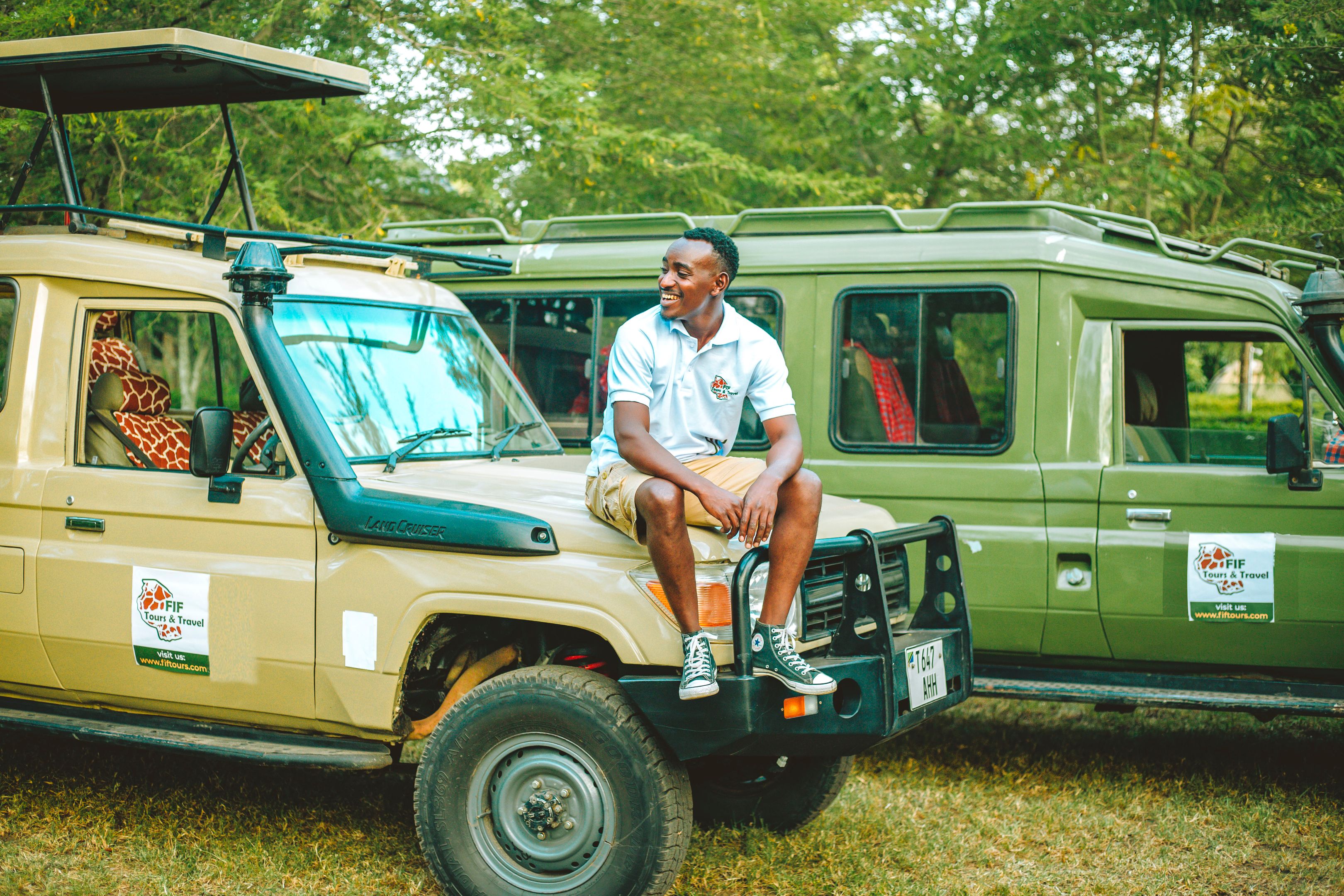
- Never wear black or dark navy in safari areas. Both colours attract tsetse flies, whose bite is genuinely painful and lingers for hours. Safari guides themselves never wear black. Stick to neutral khaki, olive, tan, beige, and grey.
- Layer for the morning game drive. Open-sided vehicles before 7am sit at 5–10°C with windchill, even in the dry season. By 11am you will be in a t-shirt. Pack accordingly.
- One warm fleece, one windbreaker, one light raincoat — this combination handles 90 percent of conditions across a Northern Circuit safari.
- Closed walking shoes. Trainers are fine; full hiking boots are unnecessary unless climbing Kilimanjaro.
- Modest cover-up for Zanzibar. If the trip includes the islands, pack one or two pieces that cover shoulders and knees for Stone Town and any village walks.
The Practical Kit
- Quality binoculars — 8x42 or 10x42 for game drives. The lodge-provided pairs, where they exist, are typically inadequate.
- Sunglasses (polarised), wide-brim hat, sunscreen SPF 50, lip balm with SPF.
- Insect repellent containing DEET (30 percent or higher), particularly for the green season.
- A small daypack for the vehicle.
- A power bank — some camps have limited generator hours, particularly in remote southern parks.
- A waterproof phone case for boat activities and balloon flights.
- Personal medications (any prescription medication you depend on, plus standard travel basics — diarrhoea treatment, oral rehydration sachets, and any allergy medication).
What to Leave Home
Hard-shell suitcases (the soft-bag rule on bush flights), more than two pairs of trousers, a hairdryer (camps provide them), more than one formal outfit, and any clothing in black or dark navy. Less is more. The laundry will save you.
Health and Safety
Tanzania is a safe destination for tourism. Crime against travellers is rare, particularly inside the parks themselves. The genuine risks are health-related, and they are manageable with preparation.
Vaccinations
- Yellow fever: required if arriving from a yellow-fever country (including via transit through one). Strongly recommended even if not strictly required.
- Hepatitis A and B: recommended.
- Typhoid: recommended.
- Tetanus, polio, MMR: ensure routine immunisations are up to date.
- Rabies: consider for travellers spending extended time in remote areas.
Visit a travel medicine clinic at least 6 weeks before departure to allow for any vaccine schedule that requires multiple doses.
Malaria
Malaria is present throughout Tanzania, including all safari areas. Antimalarial prophylaxis is essential — the most common protocols our clients use are Malarone (atovaquone-proguanil), doxycycline, or mefloquine. Each has different dosing schedules and side-effect profiles; consult a travel doctor for the right choice for your medical history. Beyond medication: long sleeves at dusk, insect repellent, and the bed nets provided by every reputable camp.
Food and Water
- Drink only bottled water. Never tap water. Avoid ice in restaurants outside major hotels. Brush your teeth with bottled water.
- Eat only piping hot food in the early days. Cold salads can be washed in contaminated water. Lodges of any standard handle this carefully; smaller establishments may not.
- Fruit you peel yourself is safe. Anything pre-cut is a calculated risk.
Medical Evacuation Insurance — The Most Underrated Decision
This is the single most important pre-trip purchase that almost no first-time visitor takes seriously enough. Tanzania's national parks are remote. Some are an eight-hour drive from the nearest tarmac road. The Serengeti's interior camps are reachable only by light aircraft. A serious medical incident at a camp deep in Ruaha can require helicopter evacuation, a fixed-wing transfer to Nairobi or Johannesburg, and onward repatriation — at a cost easily exceeding USD $50,000.
Specialist medical evacuation cover (Flying Doctors, AMREF, Global Rescue, or equivalent) costs USD $50–$200 per trip. It is not optional in our book. We confirm in writing with every client before any deposit is paid that they have appropriate evacuation cover in place.
Cultural Etiquette
Tanzania is a friendly country with relatively forgiving cultural expectations of visitors — but a small number of behaviours produce outsized goodwill (or its opposite).
- Photographing local people: ask first. Always. The answer is usually yes; sometimes a small tip is expected (set the rate before, not after). Never photograph government buildings, military installations, police stations, or airports.
- Maasai bomas and village visits: these work best when arranged through a reputable operator with an ongoing relationship to the community. Money should reach the village, not an intermediary.
- Dress in Stone Town and Muslim areas: shoulders and knees covered for women in towns. Beach attire is fine on the beach itself.
- Greetings matter. "Jambo" or "Hujambo" (hello), "asante" (thank you), and "karibu" (welcome / you're welcome) carry far more weight in Tanzania than in many destinations. Five Swahili words make a meaningful difference.
- Tipping is not a service charge. See above. It is genuinely expected.
- Be early or be on time. Game drives and bush flights run to schedule. Our standard guidance: be ready 10 minutes before pickup, every time.
Choosing an Operator
The single most leveraged decision in a Tanzania safari is the operator. The gap between a strong operator and a weak one is wider than the gap between mid-range and luxury accommodation. The same itinerary, the same parks, the same lodges — operated by two different companies — produces categorically different trips.
What to Look For
- A specialist Tanzania operator over a generalist Africa company. Local knowledge is operational, not decorative.
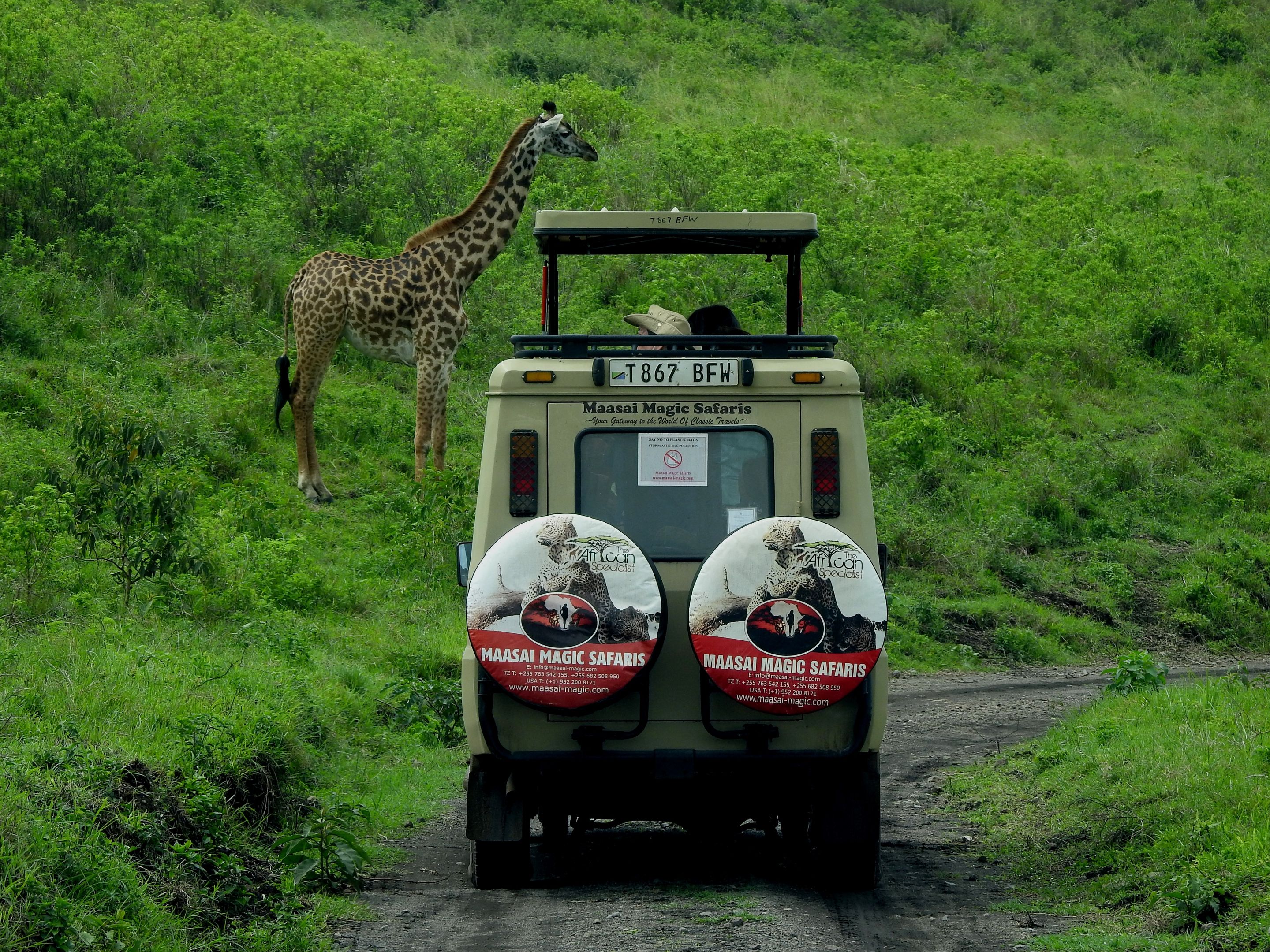
- Vehicle quality. Open-sided 4x4 Land Cruisers with charging points, fridges, and roof hatches are the modern standard. Closed minibuses are not appropriate for serious safari.
- Guide certification. Tanzania-licensed guides are required by law. Beyond that, look for senior guides with five-plus years in the parks they will be guiding you in.
- Private vs group safaris. Private safaris cost more — typically from $400 per person per day at mid-range — but allow you to choose start times, request specific routes, and ask unlimited questions of the guide. Group safaris share a vehicle with up to 14 other travellers and cost meaningfully less.
- Reviews matter, but read carefully. Look for specifics: vehicle condition, guide names, lodge feedback. Generic five-star reviews are unhelpful.
- For Kilimanjaro specifically: KPAP certification (Kilimanjaro Porters Assistance Project) is the standard for porter welfare. We climb only with KPAP-certified operators.
- Communication speed. If pre-trip emails take 48+ hours to answer, on-the-ground communication will be similar. Operators with strong communication tend to handle the small problems that inevitably arise on safari well.
Setting Realistic Expectations
The most common source of mild disappointment on Tanzania safaris is the expectation, built up over months of planning and television documentaries, that every game drive will produce a leopard, a kill, and a magazine cover. They will not. What follows is the wisdom we share with every client during the pre-trip call.
Wildlife is wildlife. Some game drives produce ten species in two hours; some game drives produce three hours of beautiful empty landscape. The empty drives matter. They are when you start seeing the smaller things — the bee-eaters on the acacia, the dik-dik in the shade, the way a herd of wildebeest moves on the wind. The travellers who finish a Tanzania safari with the strongest memories are not always the ones who saw a leopard kill. They are the ones who learned to see the bush as it actually is, instead of as a list of species to tick off.

Three concrete suggestions:
- Spend longer in fewer places. Two nights minimum at every park stop. One-night stops are transit, not safari.
- Be patient at sightings. A pride of lions watched for forty minutes will produce a story; the same pride glimpsed for five minutes is forgettable. Tell your guide you'd rather stay at one good sighting than chase the next one.
- Trust the guide. Senior guides know the parks better than any tourist itinerary suggests. Asking "what would you recommend today?" beats prescribing a route from a guidebook.
Combining the Safari
Most of our Tanzania trips layer the safari with at least one of three additions: Zanzibar, Kilimanjaro, or the Southern Circuit. The natural sequencing:
- Safari + Zanzibar (most popular): 7 days Northern Circuit, then 4 nights Zanzibar for beach decompression. The classic combined trip. See our Zanzibar beach holiday guide.
- Kilimanjaro + Safari (most ambitious): 8-day Lemosho climb, 1 night recovery, then 4–5 nights safari. Demanding but transformative. See our Kilimanjaro guide.
- Northern + Southern Circuit (most depth): 5 nights Northern, 4 nights Ruaha or Mahale, optional 3 nights Zanzibar to close. The connoisseur's two-week trip.
Visa is single-entry valid for 90 days, so a single $50 (or $100 for US citizens) visa covers the entire trip including Zanzibar.
The Bottom Line
Tanzania rewards travellers who plan early, choose the right operator, accept that wildlife runs to its own schedule, and let the country open at its own pace. The minor variables — what to pack, where to tip, whether jeans work on a game drive — sort themselves out. The major ones do not. Get the four big decisions right and the country delivers a trip that people remember for the rest of their lives.
The bush takes its time. So should you.